As key equipment in the production of plastic products, injection mold price factors are always the top concern for buyers who plan custom tooling projects. Understanding injection mold price factors helps buyers set reasonable budgets before requesting formal quotations. Injection molds vary widely in price, ranging from tens of thousands to hundreds of thousands or even millions.
There are many factors that influence the price of injection molds. As with other products, the saying “you get what you pay for” certainly applies to injection molds.
For companies needing to develop molds, striking a balance between mold development costs and mold performance is crucial to determining product competitiveness, production efficiency, and long‑term profitability. Analyzing injection mold price factors will help you avoid overspending or selecting low‑quality tooling.
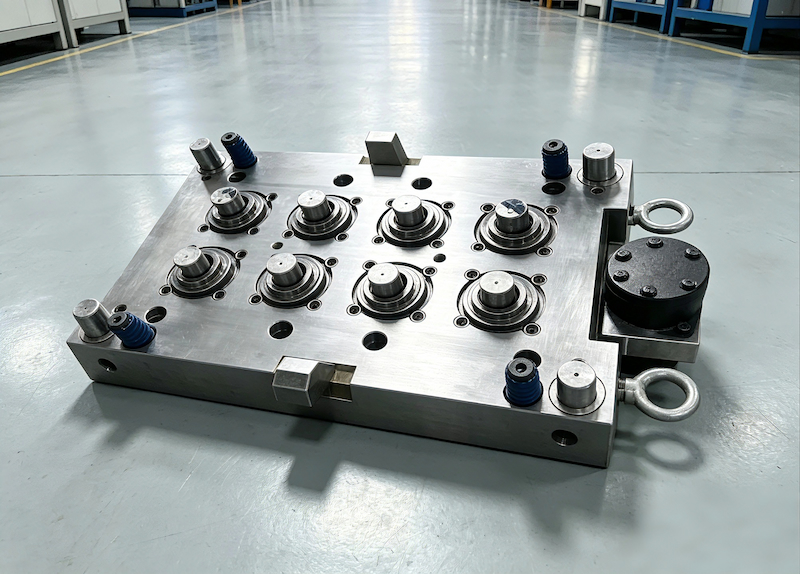
Main Injection Mold Price Factors Affecting Your Tooling Quotation
There are many factors that influence the price of injection molds, with the following primary injection mold price factors determining most of your final tooling budget.
1. Mold Materials
The type and specifications of mold materials directly determine the mold’s hardness, wear resistance, and corrosion resistance, which in turn affect the mold’s service life and the quality of the molded products. These material‑related items count among the most critical injection mold price factors and are also the main sources of price differences for injection molds.
Standard molds typically use P20 steel, which is relatively low‑cost and suitable for small‑batch, low‑precision production; however, molds for high‑precision, high‑volume production or corrosive plastics (such as PVC) require high‑quality mold steels like S136 or H13. These steels offer superior wear resistance, corrosion resistance, and toughness, resulting in significantly higher costs.
In addition to mold steel, standard components such as ejector pins, guide posts, and springs, as well as auxiliary materials like copper tubing for cooling channels and seals, are factored into the mold cost; their quality grades also affect the overall quotation.
2. Mold Structural Complexity
The complexity of a mold’s structure directly determines the number of machining operations and the level of difficulty involved, which in turn affects manufacturing costs. Structural complexity is another major item among injection mold price factors.
Simple, single‑cavity molds without complex structures require fewer machining operations and present lower difficulty, resulting in relatively lower prices. In contrast, molds featuring sliders, inclined ejectors, core‑pulling mechanisms, or hot runner systems require more machining operations and higher technical expertise, significantly increasing machining time and doubling costs.
In addition, the number of cavities in a mold also affects costs. Multi‑cavity molds (such as 8‑cavity or 16‑cavity molds) can improve production efficiency, but they are larger in size and more complex in structure, resulting in costs far higher than those of single‑cavity molds.
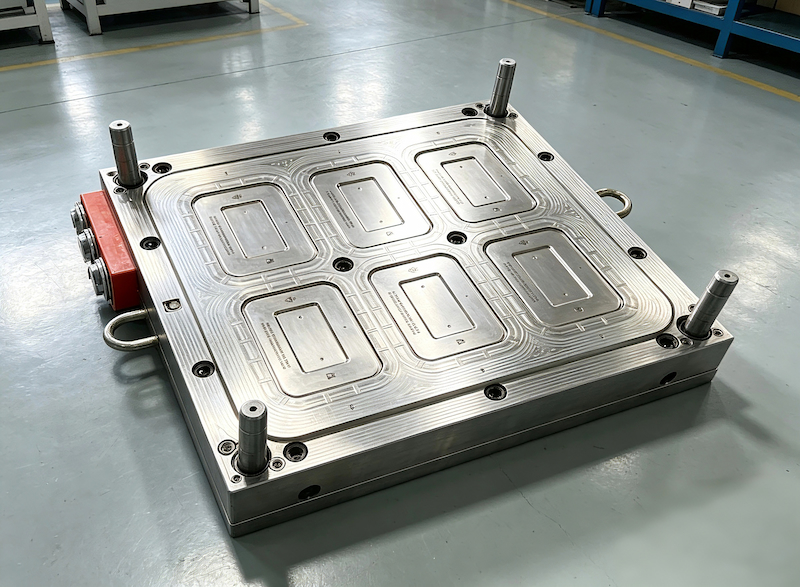
3. Product Precision and Appearance Requirements
The dimensional accuracy and surface quality requirements of injection‑molded products directly determine the machining precision level required for the mold, which in turn affects the price. Precision and surface finish requirements also weigh heavily among injection mold price factors.
For products with standard precision (tolerance of ±0.1 mm or greater), mold machining is relatively simple; conventional CNC machining can meet the requirements, keeping costs manageable.
In contrast, high‑precision products (tolerance < ±0.05 mm), such as electronic connectors and precision instrument housings, require precision processes like electrical discharge machining (EDM), wire cutting, and five‑axis machining. This increases machining time and raises costs by more than 50% compared to standard molds.
Surface finish requirements also affect costs. Standard matte or textured surfaces can be achieved with conventional polishing at a lower cost; however, products requiring a mirror finish (surface roughness Ra ≤ 0.2 μm) necessitate multi‑stage mirror polishing, increasing costs by 20%–30%.
Furthermore, product size also affects cost. Large products (such as automotive bumper molds) require more mold bases and steel, are more difficult to machine, and are significantly more expensive than small molds.
4. Other Additional Factors for Injection Mold Price Factors
In addition to the factors mentioned above, additional factors such as service and delivery time also affect mold pricing.
Transporting large molds requires specialized vehicles, with shipping costs reaching several thousand yuan; if on‑site installation and commissioning by the manufacturer are required, additional fees will apply.
After‑sales services provided by reputable manufacturers (such as mold warranties and repair services) may slightly increase the quote but help mitigate risks during subsequent use.
Lead time requirements also affect pricing; rush orders require manufacturers to allocate additional manpower and arrange overtime production, resulting in an extra 10%–20% in costs.
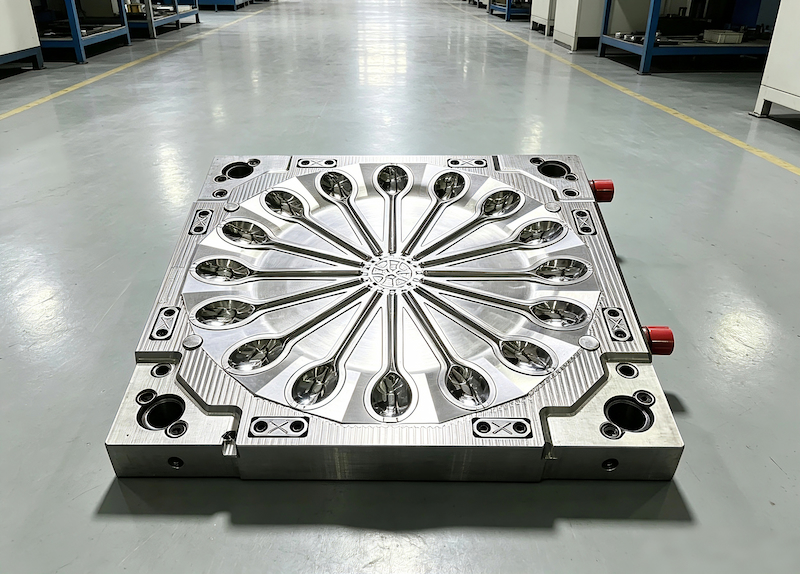
How to Balance Cost and Performance Considering Injection Mold Price Factors
Balancing mold manufacturing costs and performance involves meeting product production requirements, ensuring the mold’s basic service life and production stability, while avoiding unnecessary cost wastage to achieve the best value for money. Once you fully understand injection mold price factors, you can make smarter purchasing decisions.
Based on years of mold manufacturing experience, the following four approaches can be adopted.
1. Clarify requirements in the early stages
Many companies experience budget overruns or fail to meet performance standards due to vague initial requirements and frequent changes later on. It is recommended to clarify requirements from three dimensions.
First, specify product parameters, including the plastic material, dimensional tolerances, surface quality, and production volume. These parameters directly determine the selection of mold materials, structure, and machining processes.
Second, define mold functionality. Determine the number of cavities based on production volume and decide whether to use a hot runner system based on product complexity to avoid over‑engineering.
Third, finalize requirements and confirm them in writing to avoid ad‑hoc design modifications during mold manufacturing, as each design change can increase costs by 10%–30%.
2. Select Materials Scientifically
Material selection is key to balancing cost and performance. The principle is to match the product’s requirements—it is not a matter of “the more expensive, the better” or “the cheaper, the better”—but rather to choose the appropriate material based on production volume and product specifications.
For example, for small‑volume (fewer than 100,000 mold cycles) and low‑precision products, standard mold steels such as P20 can be used to save costs.
For high‑volume production (over 1 million mold cycles), high‑precision, or products made of corrosive plastics, high‑quality mold steels such as S136 or H13 should be selected. Although the initial cost is higher, these materials extend mold life and reduce the cost of re‑tooling, offering better long‑term value for money.
3. Select a manufacturer that offers the best value for money
The choice of mold manufacturer directly impacts mold quality, cost, and after‑sales service. When selecting a manufacturer, focus on three key aspects:
First, qualifications and track record: Give priority to manufacturers with proven experience in molding products for your industry to avoid the trial‑and‑error costs associated with inexperienced manufacturers;
Second, transparency in pricing: Request a detailed quotation from the manufacturer that clearly outlines costs for each stage, including design, materials, machining, and trial molding;
Third, after‑sales service: Confirm the mold warranty period, whether 1‑2 free trial moldings are included, and the response time for malfunctions to avoid additional repair costs later on.
4. Ensure Proper Post‑Production Maintenance
Post‑production maintenance of molds is a critical step in balancing short‑term tooling costs with long‑term performance. Proper maintenance extends mold life, ensures production stability, and indirectly reduces costs.
For daily maintenance, clean the mold surface after each production run, regularly inspect wear‑prone components such as ejector pins and guide posts, and promptly replace worn parts.
For periodic overhauls, conduct a comprehensive inspection of the mold every 100,000 cycles, including cavity polishing, cleaning of cooling channels, and tightening of screws, to prevent product quality degradation caused by mold aging.
Regarding proper usage, strictly adhere to mold operating procedures during production to avoid over‑temperature or over‑pressure injection molding, thereby reducing abnormal wear and tear on the mold.
In summary, the price of an injection mold is determined by a combination of factors, including materials, structure, machining, and service. There is no such thing as an absolutely low‑cost, high‑quality mold, nor is there a need to blindly pursue high‑end, high‑priced options.
The key to balancing mold costs and performance lies in precisely matching product requirements. By studying injection mold price factors, clearly defining the product’s precision, production volume, and application scenarios; scientifically selecting materials and manufacturers; and thoroughly addressing initial requirements and ongoing maintenance. This ensures the mold meets production needs and remains stable and reliable while avoiding unnecessary cost waste.
Reference: For more detailed plastic material property parameters, please check professional polymer material database
If you want to know more knowledge of molding,you can see the 6 Best Injection Mold Steel for Daily Plastic Products | Ultimate Cost Comparison